The Art of Narrative Omission: Engaging Readers through Negative Space

The human brain is wired for completion. Show it the right shapes and it will conjure a sphere from nothing. Fiction works on exactly the same principle. In this piece I walk through the four elements where omission does the most work: action, information, motivation, and interiority.
Considerations for Dual POV

This is not a how-to article. You’ll find no prescriptions here. This is just an investigation of some of the artistic choices you might consider in creating a dual-POV story. If you’re writing dual POV, then you’ll have some decisions to make about how the characters come together, when they come together, and what exactly they share.
What Is a Beat, Anyway?

If you read about writing craft, you’re going to come across the word “beat” on occasion. But this is a term that even within the realm of creative writing has at least three different meanings. Let’s break them down here.
How a Scene List Can Help Your Revision
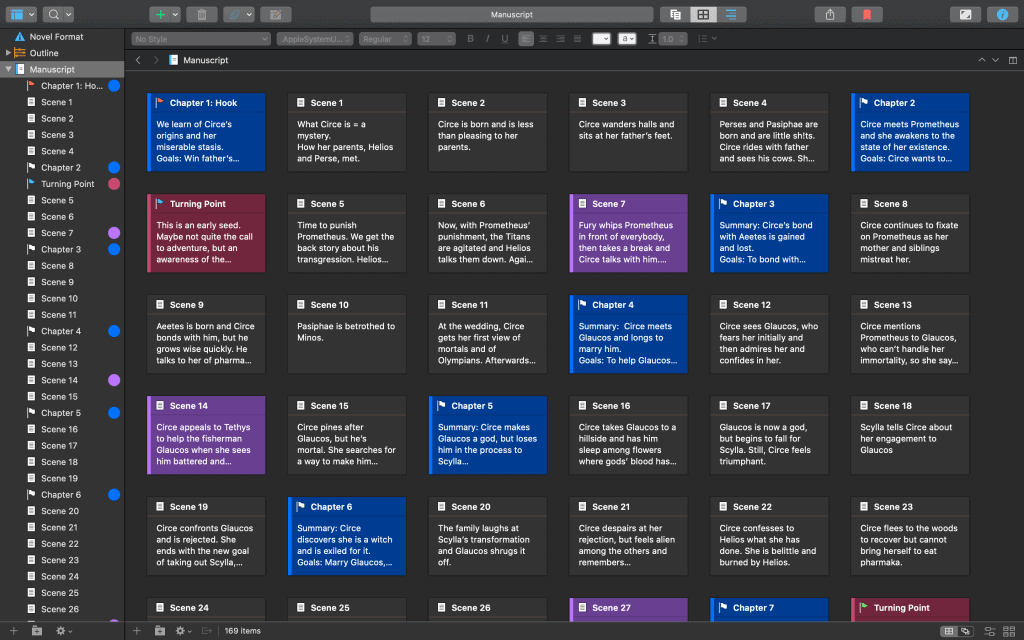
A scene list is a simple but powerful tool you can use to wrap your head around your whole story and begin to troubleshoot where it might need revision. Here’s how and why it helps.
Captivating Protagonists: The Essentials

The defining trait of a protagonist is that the reader identifies with them, and there are two essentials that facilitate that identification.
Readers to Help You Write Your Book

Every great writer relies on great readers. Who should you enlist to read your work as it’s in development? Lovers, critics, alphas, betas, pros, and more.
To Filter or Not to Filter

What is filtering, what’s the rationale for avoiding it, and in what situations might you want to stick with it?